Event porta potty rentals
Portable restroom setups for festivals, sports fields, markets, private gatherings, and public-facing events where guest flow matters.
Get A QuoteFrisco portable restroom rentals
Frisco Porta Potty Rentals helps organizers, site teams, and property planners compare the right portable restroom, trailer, accessible unit, and handwashing options for their setting.
01 / Portable sanitation services
Compare the portable restroom services most often needed for gatherings, construction activity, long-term placements, public access, guest comfort, and hygiene support.
Portable restroom setups for festivals, sports fields, markets, private gatherings, and public-facing events where guest flow matters.
Get A QuoteDurable jobsite units for crews, renovation work, utility projects, and long-running builds that need practical access.
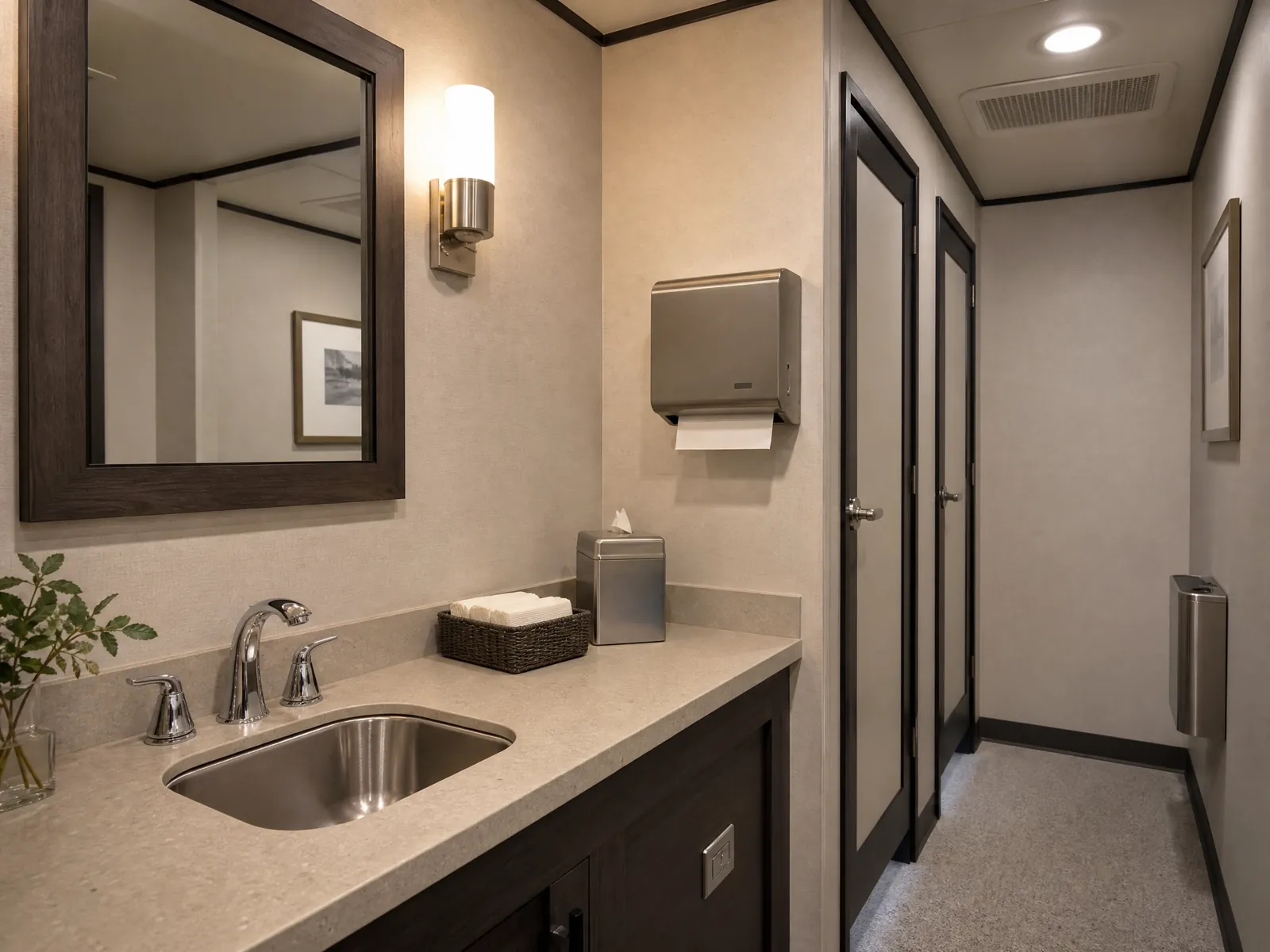
Get A QuoteFinished restroom options for weddings, corporate functions, and settings where presentation and guest comfort carry more weight.
Get A QuoteAccessible unit planning with a clear, stable approach route built into the conversation from the start.
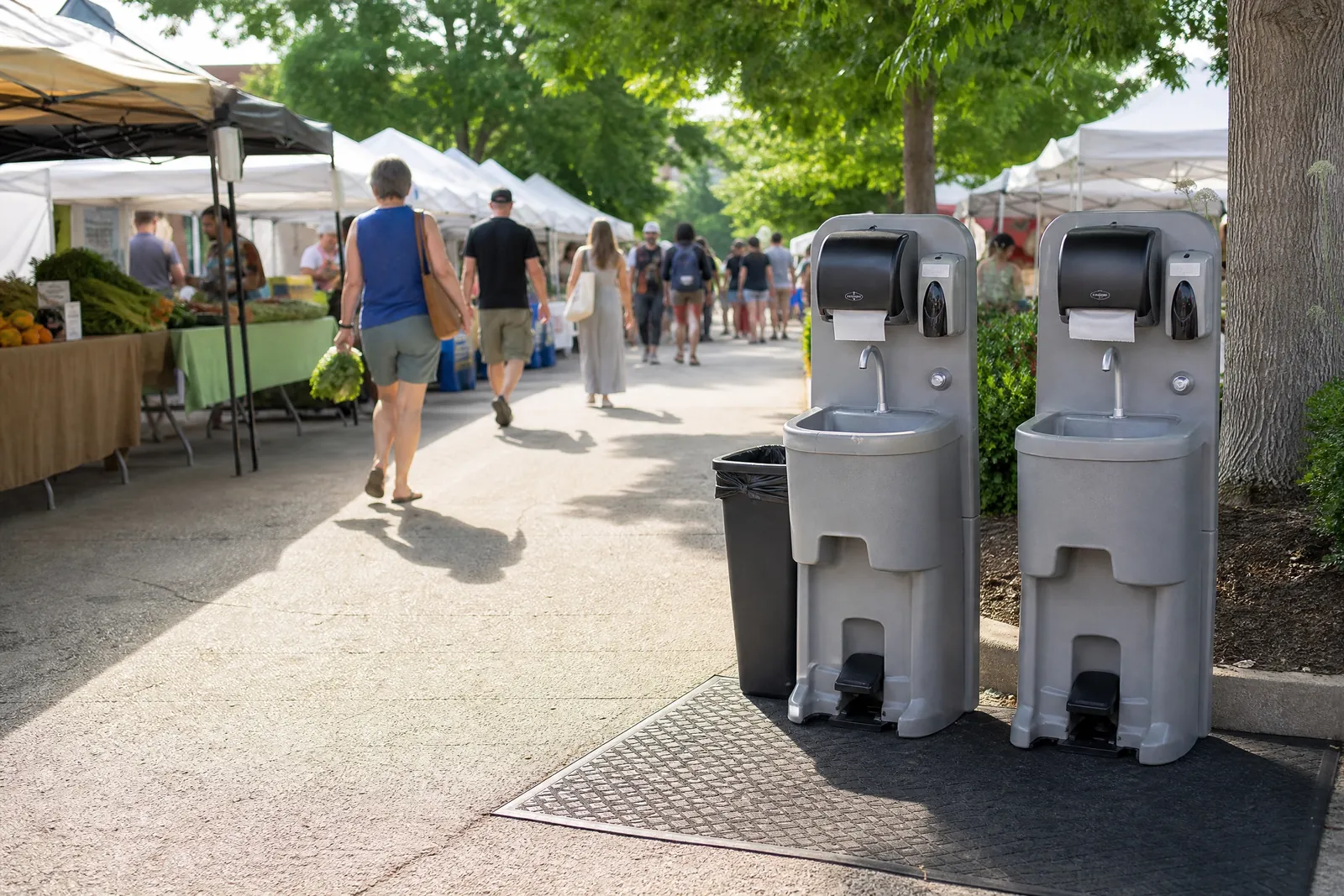
Get A QuoteHandwashing stations placed where crews and guests naturally pause, eat, arrive, or transition between activities.
Get A QuoteOngoing unit placement and service planning for extended construction, property work, seasonal operations, and recurring needs.
Get A QuotePlacement and service conversations that consider efficient site flow, handwashing access, and a tidy event or work area.
Get A QuotePrivate trailer options for larger events and occasions that call for a more finished restroom experience.
Get A Quote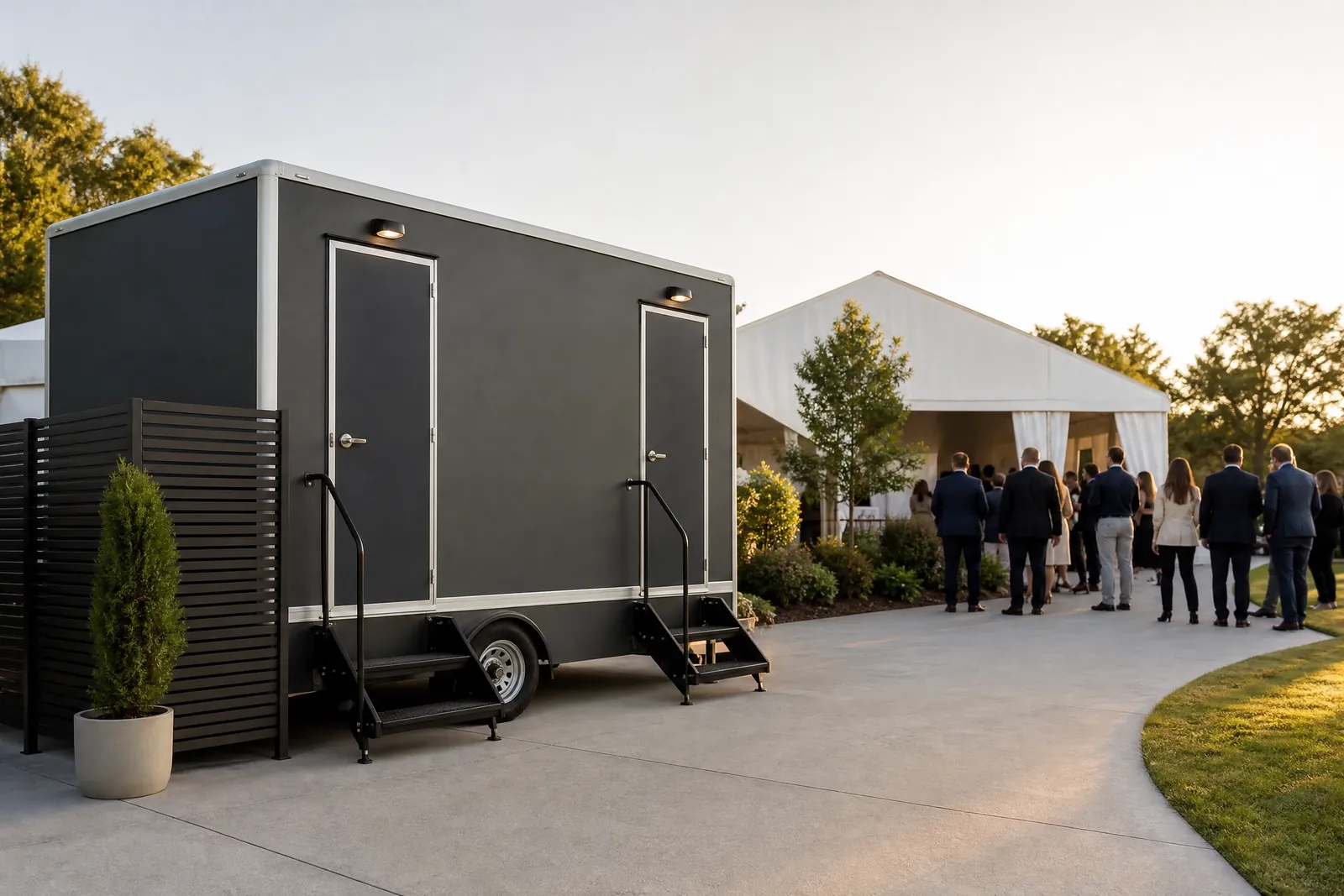
02 / Frisco rental context
In Frisco, TX, portable sanitation supports outdoor events, job sites, property work, seasonal gatherings, and the everyday logistics around public-facing spaces. A useful rental plan starts with the setting, then matches service options to the people and activity taking place there.
Hackberry: A small community near the water, Hackberry sees activity centered around neighborhood parks, marinas, and local streets that weave toward the shoreline. Event planners and contractors here often work with sites that have limited staging space and tighter access routes. Portable restrooms and handwashing stations are typically placed to respect nearby homes, keep walkways open, and account for wind exposure along open stretches near the lake.
Prosper: Prosper’s rapid growth brings new construction and community events in parks, school fields, and evolving commercial corridors. With larger gatherings and multi-phase builds, planning usually focuses on distributing units to reduce lines while keeping clear paths for families and crews. Shade, parking proximity, and flexible placement are common priorities as attendance and workforces fluctuate throughout the year.
Little Elm: With its lakeside recreation and active neighborhoods, Little Elm hosts outdoor sports, markets, and ongoing development. Sites may involve mixed terrains—from open fields to paved lots—requiring level placement and attention to drainage. Spreading units across activity zones and adding handwashing near concessions helps maintain smooth flow, especially during peak seasonal weekends along popular waterfront areas.
The Colony: The Colony’s mix of retail destinations, trails, and residential pockets can draw steady foot traffic and periodic surges for events. Restroom planning here often emphasizes multiple access points, lighting for evening use, and ADA-friendly paths across varied surfaces. For construction, coordinating placement with deliveries and maintaining clear buffer zones near active roadways helps keep crews efficient and visitors safe.
03 / Common questions
Q: How far in advance should I arrange rentals? A: As soon as you know your dates and estimate headcount, reach out. Early planning helps secure the right mix and fine-tune placement for your layout.
Q: What information do you need to recommend quantities? A: Event or project type, dates, estimated attendance or crew size, schedule, and site layout details such as entrances, food areas, and available space.
Q: Can units be placed on grass or gravel? A: Yes, provided the ground is firm and level. We’ll suggest stabilizing approaches and placement that maintains safe access and servicing.
Q: How do I keep lines short? A: Use the right count, distribute units near high-traffic areas, and add handwashing or sanitizer to keep people moving without backtracking.
Q: What about odors and cleanliness? A: Proper servicing, ventilation, and supply resets keep interiors fresh. We’ll set a cadence based on use and conditions.
Q: Do I need permission to place units in public spaces? A: Some locations require approval. Check with the property owner or local authorities. We can help you plan placements that meet site guidelines.
Q: How should I plan for evening events? A: Ensure well-lit paths, consider additional lighting near units and handwashing stations, and place restrooms where guests can find them easily.
Q: Can I change the plan after delivery? A: Adjustments are often possible. Let us know what’s shifting—attendance, layout, or timing—and we’ll help update placement or quantities.